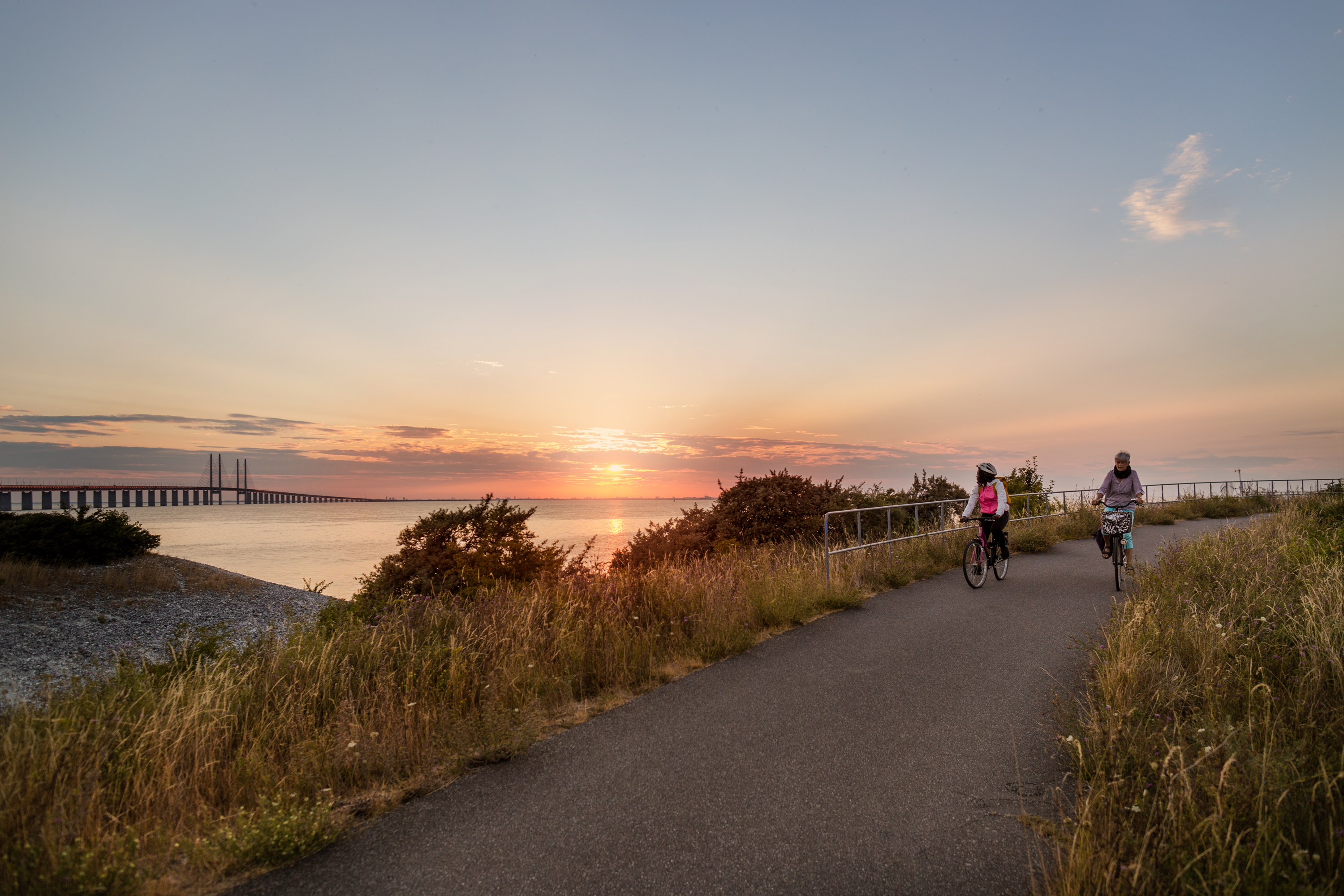

Skåne’s slow pace of life and friendly atmosphere attracts bon-vivants from all over the world who come here to enjoy peaceful nature experiences and well-preserved cultural sights. With a small population of just 1.4 million in an area of approximately 11000 km², Skåne is far from frantic and gives you plenty of space to enjoy the surroundings.
-
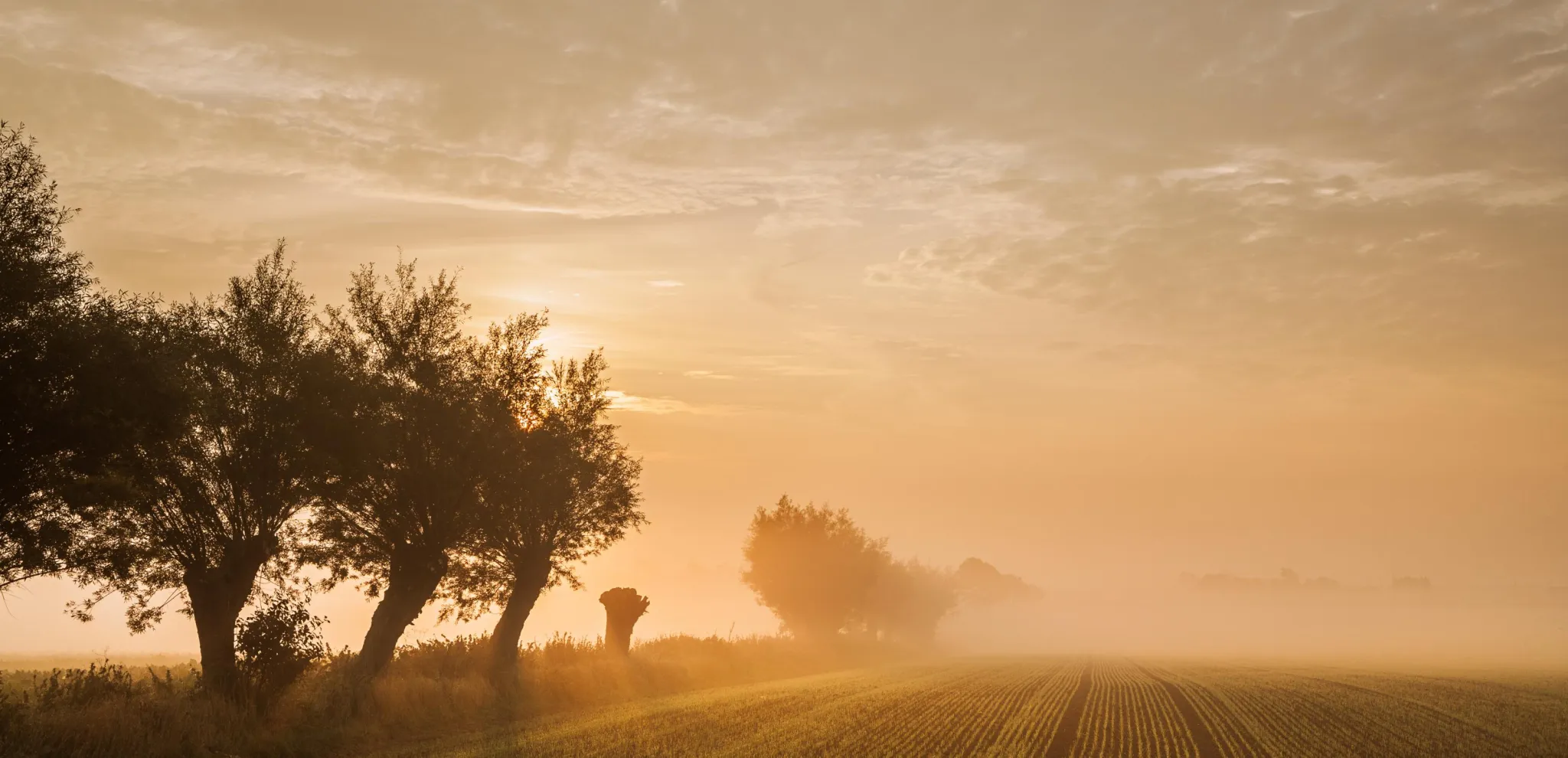
![Willows in morning fog on a field]() © Anders Tukler
© Anders Tukler -
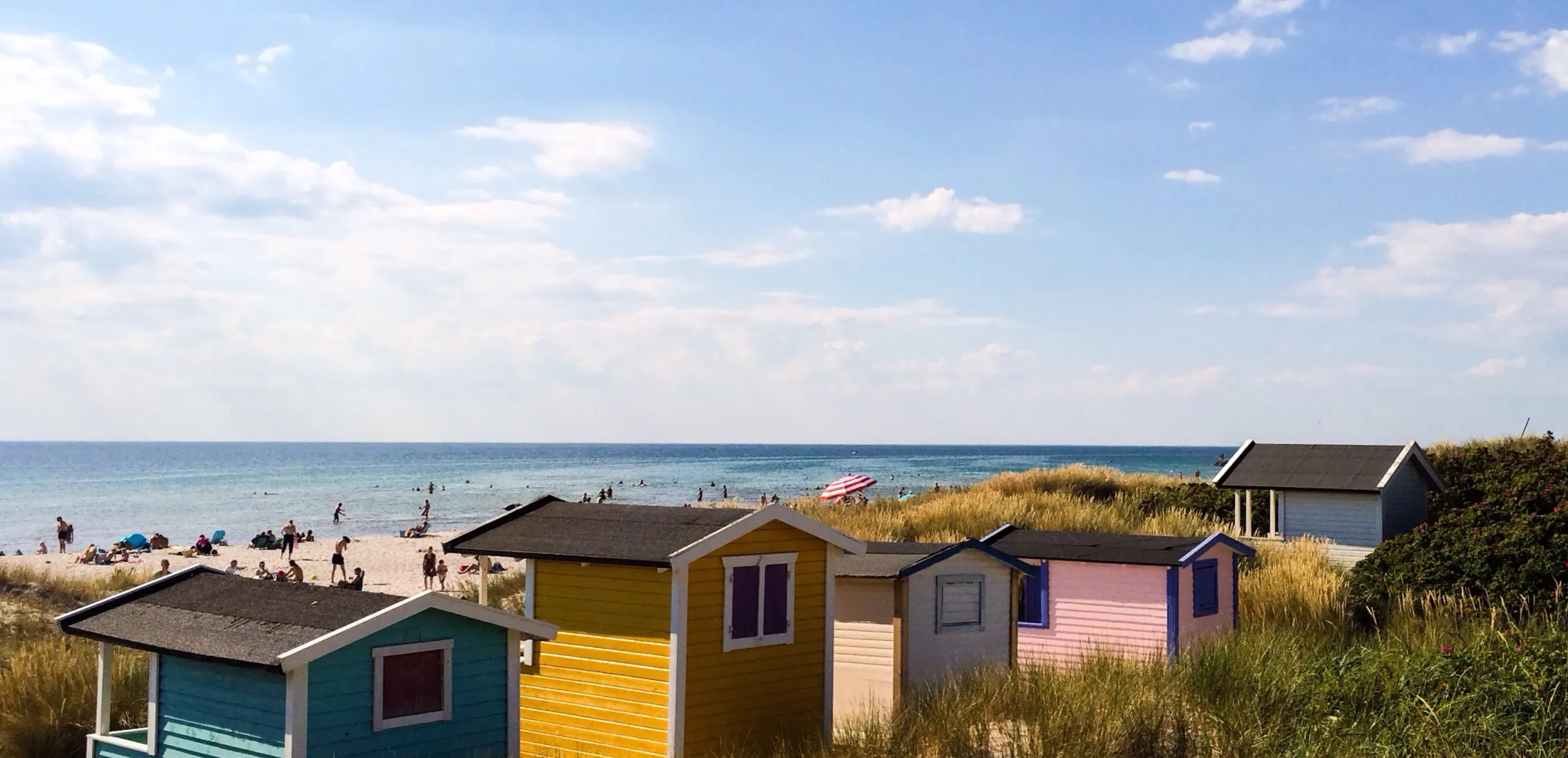
![Colourful bathing huts along a beach]()
-
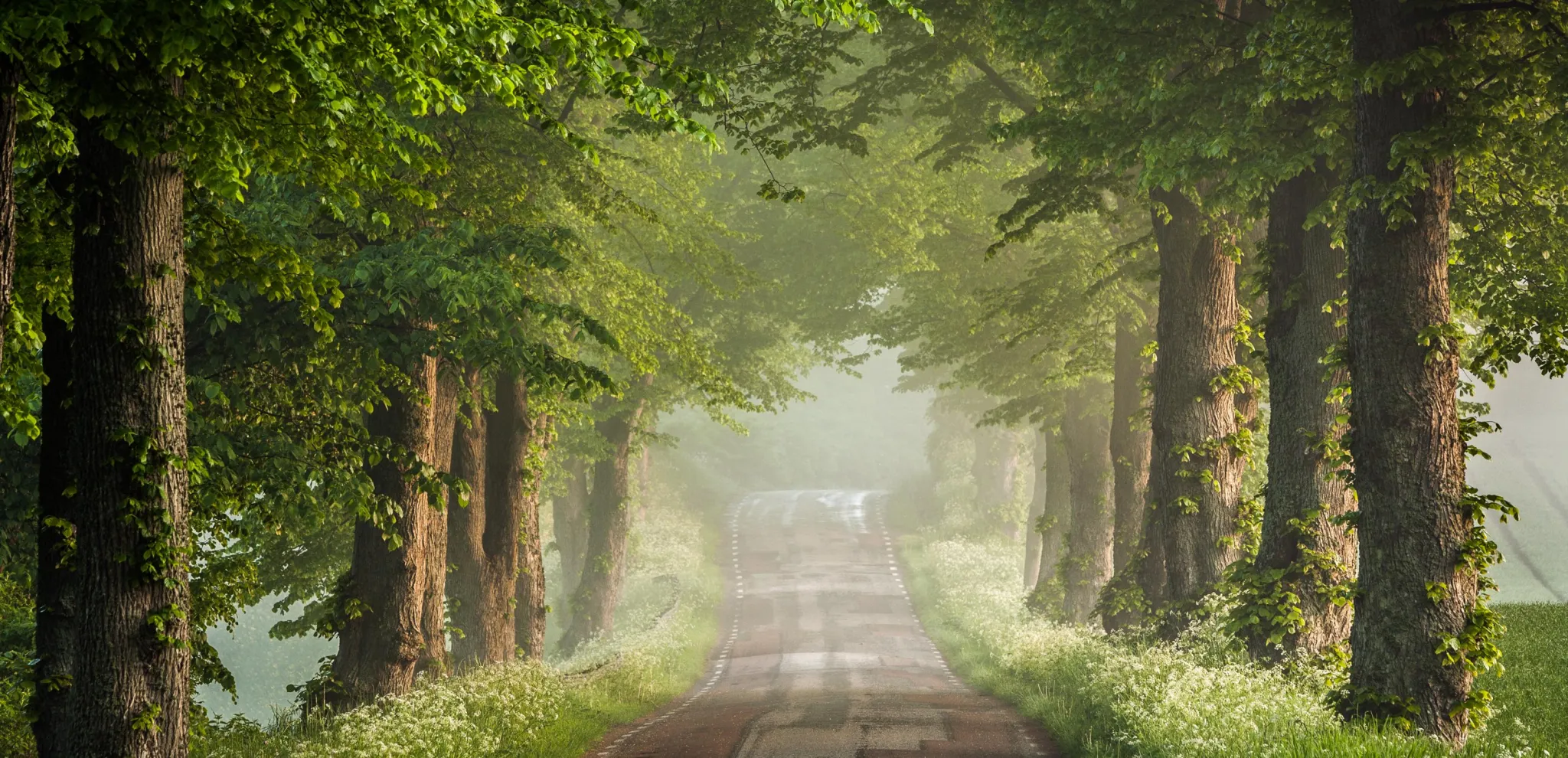
![Tree-lined avenue on the countryside in early summer]() © Anders Tukler
© Anders Tukler -
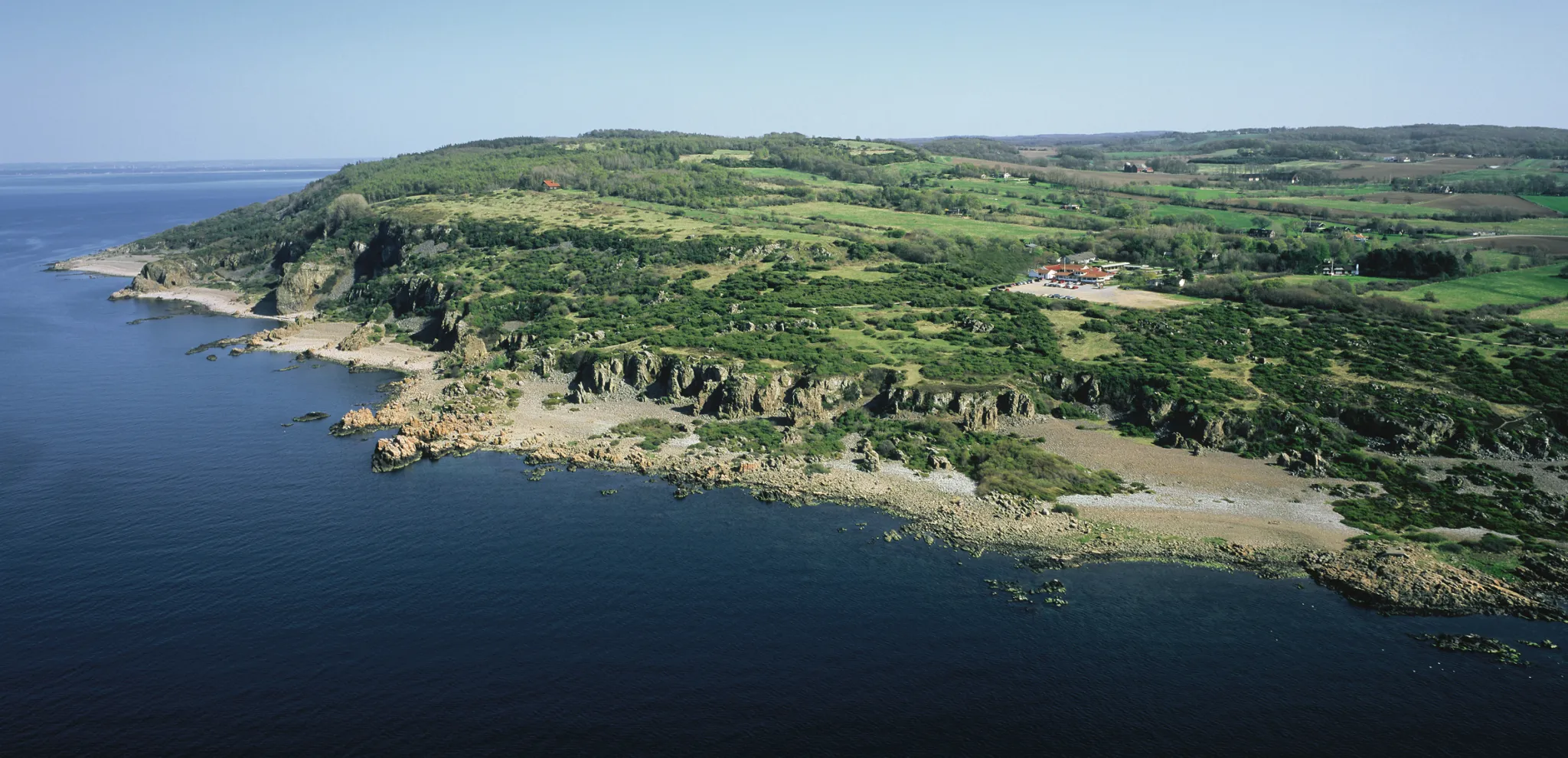
![Drone view of a coastline with steep cliffs and green countryside]() © Bertil Hagberg / Sesamphoto
© Bertil Hagberg / Sesamphoto -
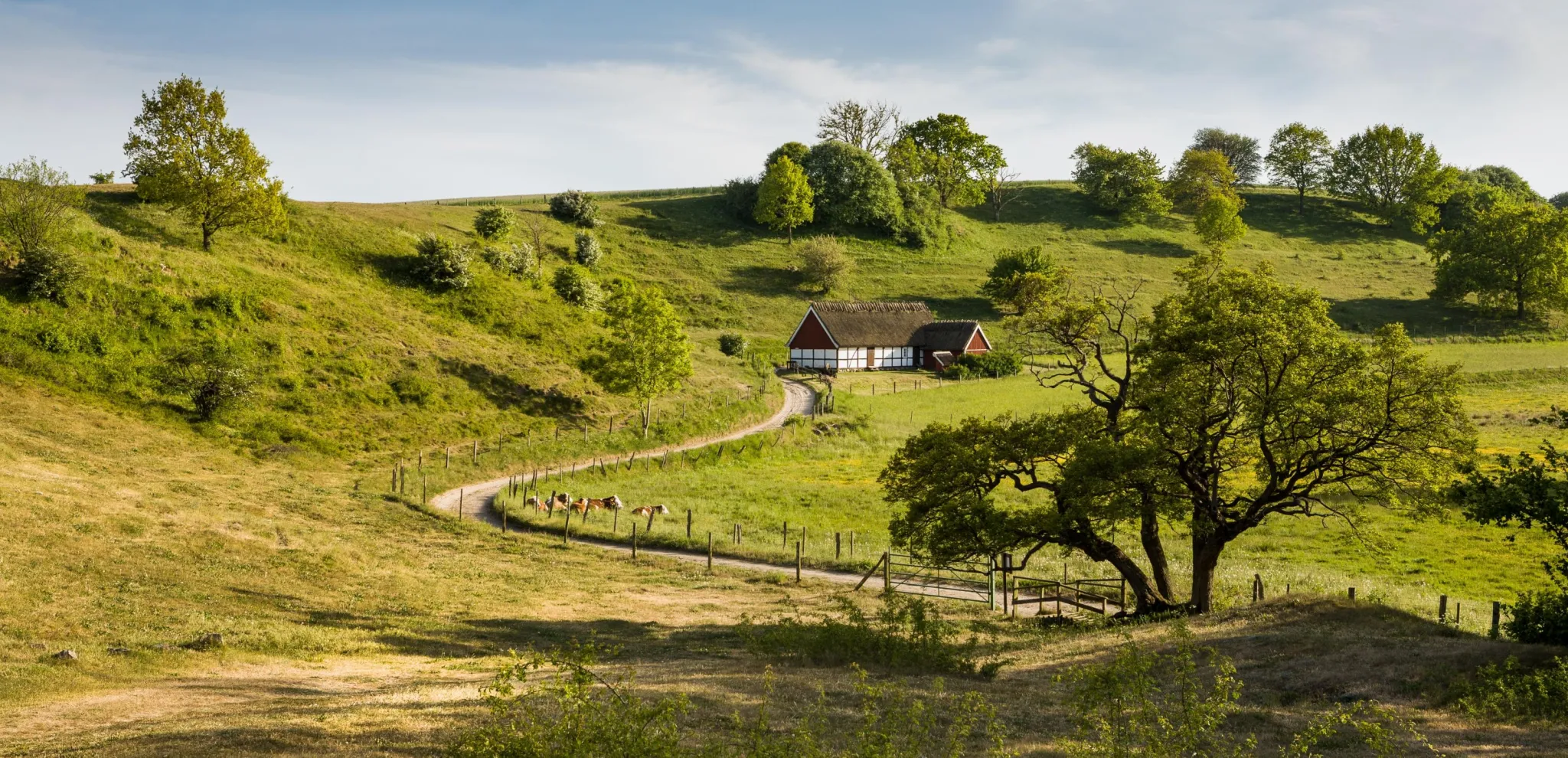
![Old half-timbered house and cattle grazing on a meadow nearby]() © Anders Tukler
© Anders Tukler
A history of Vikings and Danes
Skåne was Viking territory. In the 10th century it was ruled by the Danish king Harald Blåtand, who united Denmark and built the ring fortress Trelleborgen. A reconstruction of the fortress can be visited in Trelleborg today. In 1134, a bloody battle of a Danish civil war was fought at Foteviken, a bay southwest of Malmö. The bay is now home to Scandinavia's only fully reconstructed Viking town. Skåne stayed Danish until 1658, when Sweden won a war and took the region in the Treaty of Roskilde. Denmark tried to retake it in the Scanian War, lost again, and Skåne has been Swedish since.
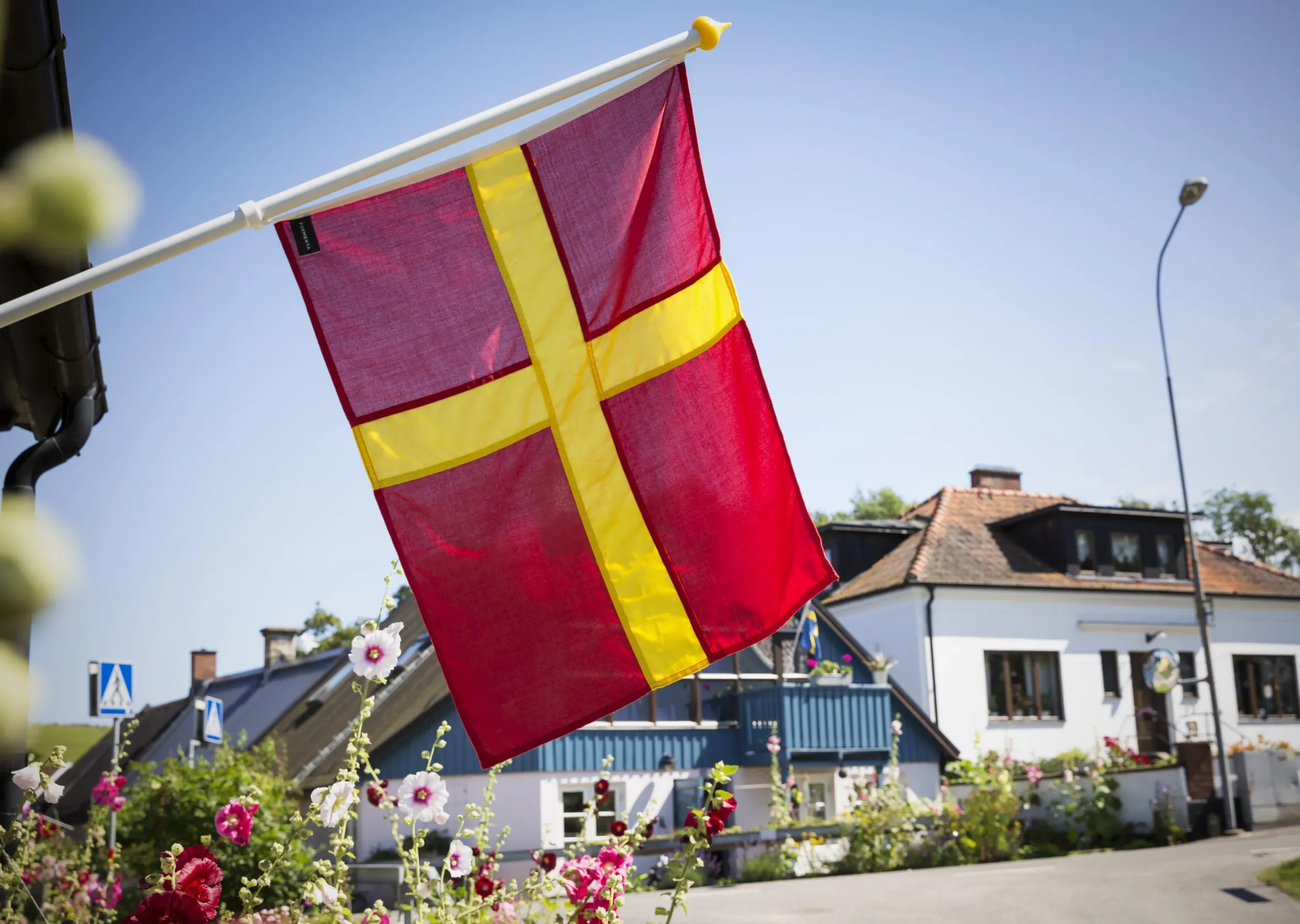
The flag of Skåne
Skåne has its own distinctive flag, combining the yellow cross of Sweden with the red background of Denmark. The design reflects the region’s shared history and strong local identity, shaped by centuries of both Danish and Swedish influence. Today, the flag is a familiar symbol of Skåne and can be seen across the region.
Culinary mecca: why Skåne eats well
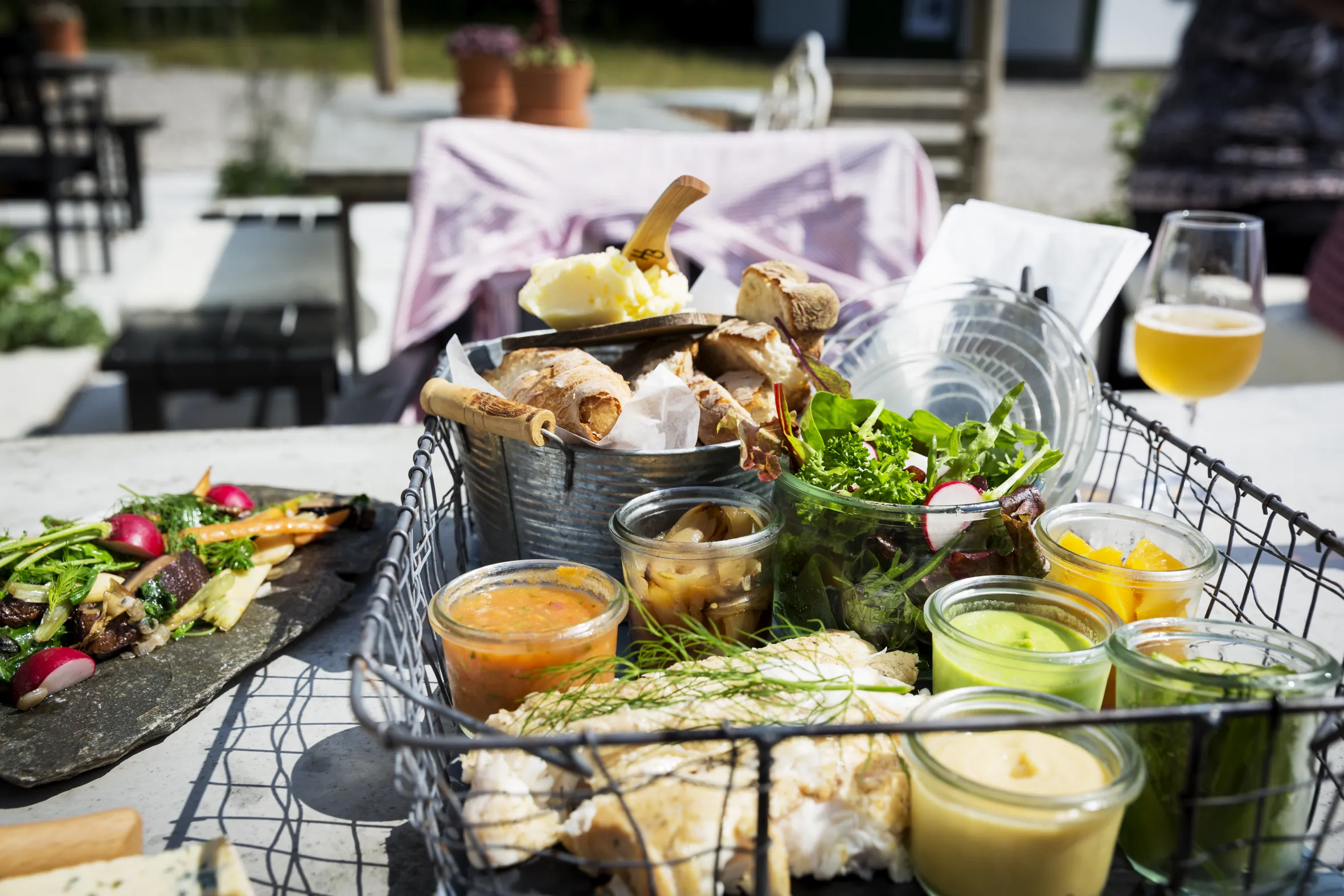
Skåne is known across Sweden as Sveriges skafferi, Sweden's pantry. Fertile plains and a mild climate make it the country's main source of wheat, rapeseed, and produce, and that closeness to the source shows up on the plate. Restaurants and markets across the region build their menus around what's grown or raised nearby, and farm shops selling local produce are never far away.
During the Middle Ages, the booming herring trade made Malmö one of the most important trading towns in the region. Cured salmon, smoked eel, and rye bread are everyday staples here, not tourist props. Around Kivik, Sweden's largest apple-growing district has made cider and juice the same way since 1888. Skåne is also home to Sweden's wine country: around twenty vineyards here now produce genuine Scanian wine, something few would expect from a Nordic country.
Diverse landscapes
Skåne is a patchwork of fertile farmland, lush forests and clear lakes. With 1,250 kilometres of hiking trails along the Skåneleden and three national cycling routes, there are plenty of ways to experience the region's natural beauty up close. Surrounded by more than 573 kilometres of coastline on three sides, Skåne offers everything from long sandy beaches to dramatic rocky cliffs.
Between the open countryside and charming fishing villages, you'll also find castles, manor houses, museums and beautiful gardens. Prefer city life? Explore Malmö's vibrant restaurant scene or discover the cultural offerings of Helsingborg and Kristianstad. Or combine it all. In Skåne, everything is close by, with most places reachable within one to two hours by car.
Once you’ve visited Skåne, you’ll want to come back. Again and again.